
Optimal Timing for Demolition Projects
Timing for demolition projects depends on various factors including weather conditions, project scope, and local regulations. Optimal periods typically avoid extreme temperatures and adverse weather to ensure safety and efficiency. Planning during favorable seasons can reduce delays and potential hazards.
Demolition is best scheduled during mild, dry weather to prevent delays caused by rain, snow, or extreme heat.
Large-scale demolitions often require more planning and coordination, making off-peak seasons preferable for minimizing disruptions.
Timing may also depend on permit approval processes, which can be faster during certain times of the year.
Scheduling during periods of high workforce availability ensures timely project completion.

Proper planning and site prep are crucial for safe demolition execution.
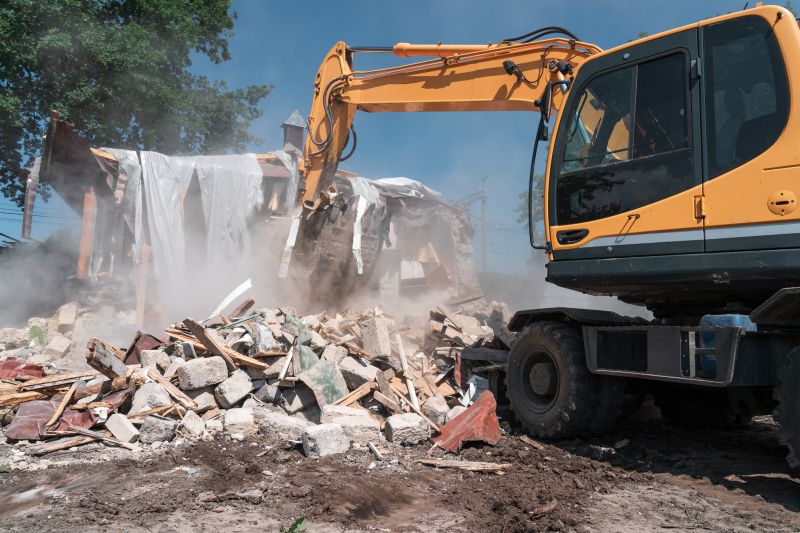
Utilizing the right equipment enhances efficiency and safety during demolition.
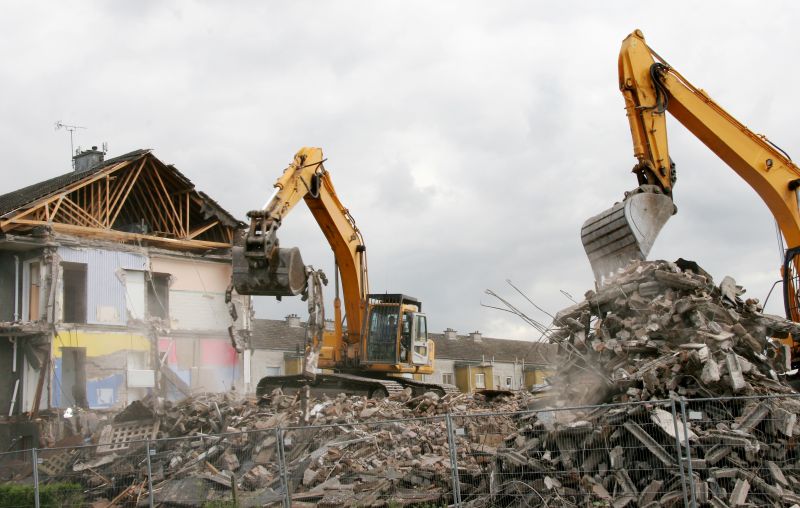
Methods like implosion or mechanical demolition depend on project specifics.

Implementing safety protocols is essential for protecting workers and surroundings.
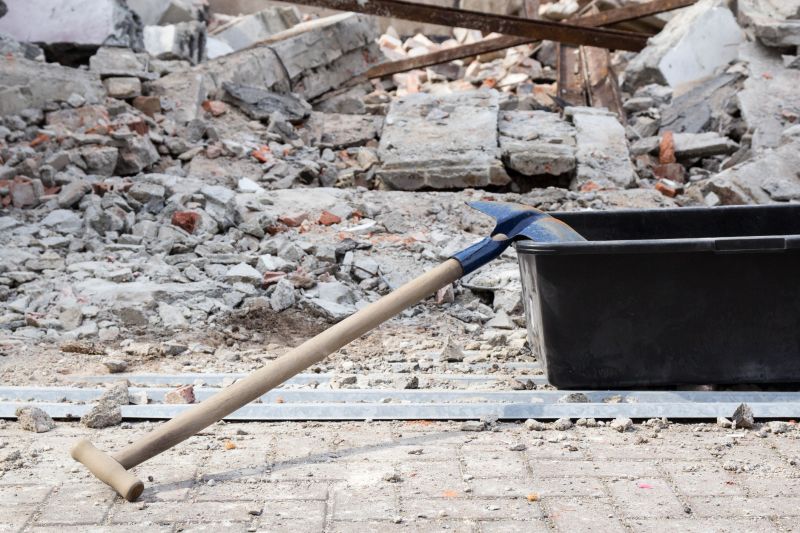
Efficient debris management is vital for project completion and site cleanup.
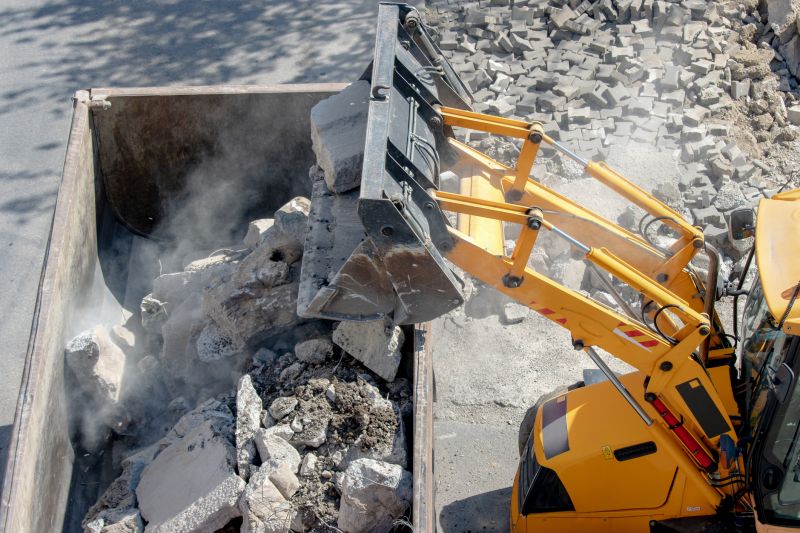
Managing dust, noise, and waste ensures compliance and community safety.
| Factor | Impact on Timing |
|---|---|
| Weather Conditions | Avoids delays and safety hazards |
| Project Size | Larger projects benefit from off-peak scheduling |
| Permitting Process | Permits may be faster during certain seasons |
| Workforce Availability | Aligns with periods of higher labor availability |
| Community Events | Scheduling around local activities minimizes disruptions |
| Environmental Restrictions | Timing to comply with local regulations |
| Equipment Availability | Ensures machinery is ready and operational |
| Regulatory Deadlines | Aligns with permit and inspection schedules |
Demolition services encompass a range of techniques and processes designed to safely and efficiently dismantle structures. Proper timing enhances project safety, reduces costs, and minimizes environmental impact. Coordinating schedules with weather patterns, permit timelines, and workforce availability is essential for successful demolition projects.

Heavy machinery used for controlled demolition.
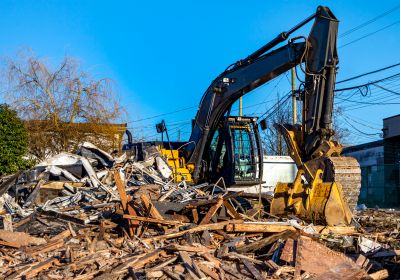
Tools for debris removal and site cleanup.

Assessing structures before starting demolition.
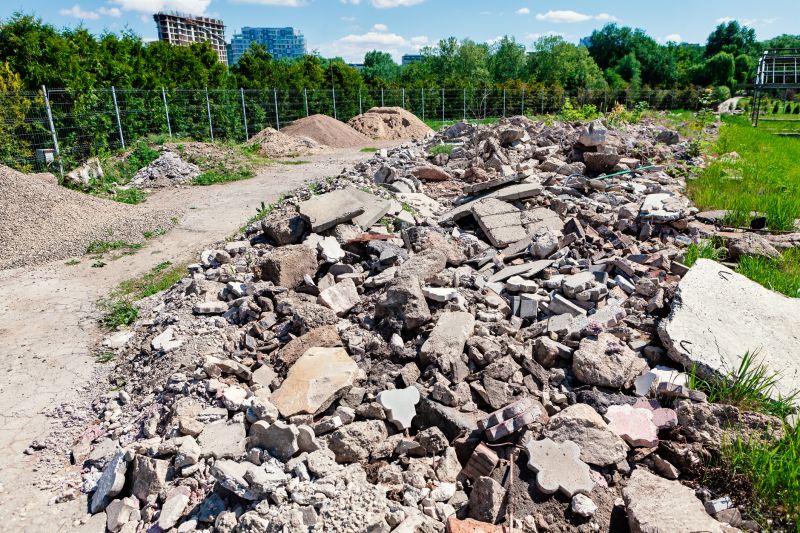
Ready for redevelopment or new construction.

Ways to make Demolition Service work in tight or awkward layouts.
Understanding the optimal timing for demolition can significantly impact project outcomes. Proper scheduling ensures safety, efficiency, and compliance with local regulations. Consulting with demolition professionals can assist in identifying the best time for each specific project.
Interested in scheduling a demolition project? Fill out the contact form to discuss your needs and receive expert guidance.